Effective Retinal Detachment Treatments to Preserve Your Vision

Effective Retinal Detachment Treatments to Preserve Your Vision

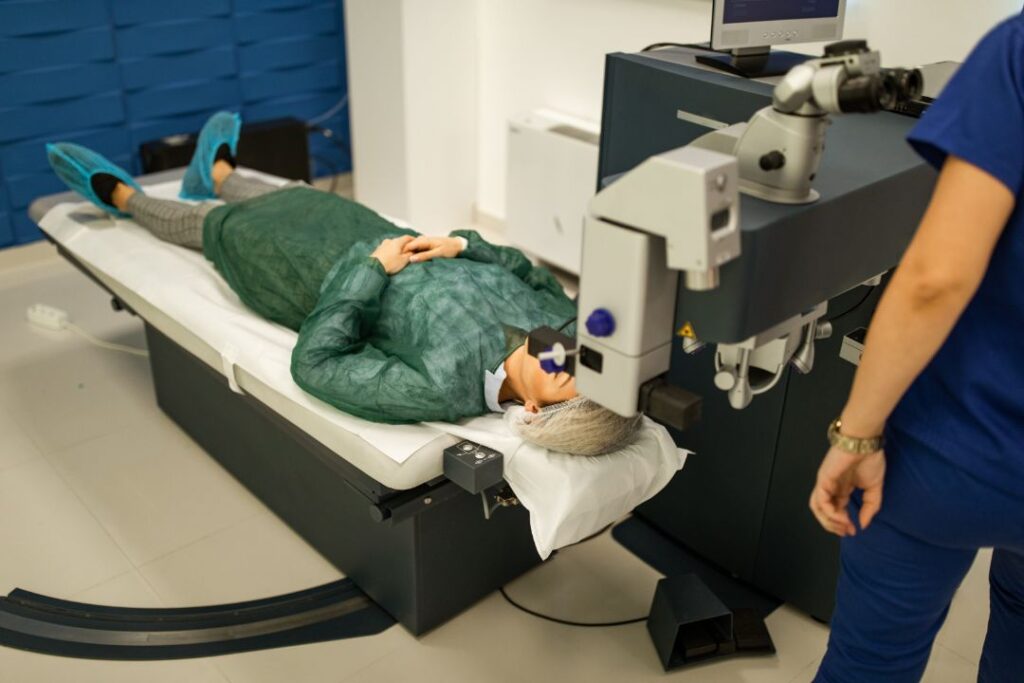
Retinal detachment is a serious condition that can lead to permanent vision loss if not treated promptly and effectively. Understanding the causes, symptoms, and treatment options is crucial to preserving your vision. In this article, we will explore the different types of retinal detachment treatment options, post-treatment care and recovery, and preventive measures you can take.

Understanding Retinal Detachment

Retinal detachment is a serious condition that occurs when the thin layer of tissue at the back of the eye, known as the retina, separates from its underlying supportive structures. This separation can disrupt the blood supply to the retina and lead to vision loss.

Retinal detachment can be caused by various factors, including:

  • Trauma: A direct injury to the eye can cause the retina to detach. This can happen due to accidents, sports injuries, or any other impact to the eye. The force exerted on the eye can cause the delicate retina to tear away from its supportive tissues, leading to detachment.
  • Age: Retinal detachment is more common in individuals over 40 years old. As we age, the vitreous gel inside our eyes can shrink and become more liquid, increasing the risk of the retina detaching.
  • Previous Eye Surgery: Certain eye surgeries, such as cataract surgery or laser eye surgery, can increase the risk of retinal detachment. This is because these procedures may cause changes in the structure of the eye, making the retina more susceptible to detachment.

Causes of Retinal Detachment

One of the most common causes of retinal detachment is a tear or hole in the retina. When a tear or hole occurs, it allows fluid to accumulate between the retina and its supporting layers, causing detachment. Other causes of retinal detachment include:

  • Vitreous shrinkage and detachment: As mentioned earlier, the vitreous gel inside the eye can shrink and become more liquid with age. When this happens, it can pull away from the retina, causing it to detach.
  • Tumors affecting the retina: In rare cases, tumors can develop on or near the retina, leading to retinal detachment. These tumors can put pressure on the retina or its supporting structures, causing them to separate.
  • Genetic predisposition: Some individuals may have a genetic predisposition to retinal detachment. Certain genetic factors can make the retina more prone to tearing or detachment, increasing the risk of this condition.

Symptoms and Early Warning Signs

Recognizing the early warning signs of retinal detachment is crucial for timely intervention and prevention of further damage to your vision. The symptoms may include:

  • Flashing lights or sudden appearance of floaters: If you notice flashes of light or the sudden appearance of small specks or cobweb-like shapes floating in your field of vision, it could be a sign of retinal detachment. These floaters are caused by the vitreous gel pulling on the retina.
  • A curtain-like shadow over the visual field: Another common symptom of retinal detachment is the presence of a shadow or curtain-like obstruction in your visual field. This occurs when the detached retina blocks the light entering the eye, causing a partial or complete loss of vision in that area.
  • Blurred or distorted vision: Retinal detachment can cause your vision to become blurred or distorted. Straight lines may appear wavy or bent, and objects may appear smaller or larger than they actually are.

If you experience any of these symptoms, it is vital to seek immediate medical attention. Prompt diagnosis and treatment can help prevent further progression of retinal detachment and preserve your vision. Visit https://ighfamilyeyeclinic.com/what-to-know-about-lasik-consultation-and-some-faqs-on-its-surgery/ to read about What to Know About LASIK Consultation and Some FAQs on Its Surgery.

Different Types of Retinal Detachment

Retinal detachment is a serious condition that occurs when the retina, a thin layer of tissue at the back of the eye, becomes separated from its underlying structures. There are several types of retinal detachment, each requiring different treatment approaches:

Rhegmatogenous Retinal Detachment

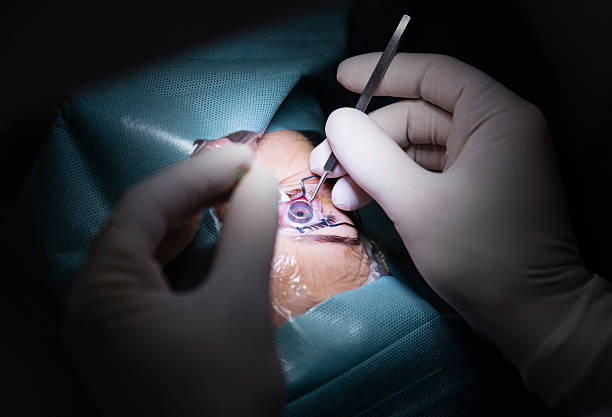
Rhegmatogenous retinal detachment is the most common type and occurs when a hole or tear in the retina allows fluid to pass underneath and separate it from the underlying structures. This can happen due to trauma, aging, or other factors that cause the retina to become weak or thin. Once the retina is detached, it can no longer function properly, leading to vision loss. Immediate surgical intervention is often necessary to repair the tear and reattach the retina. During the surgery, the ophthalmologist will carefully examine the retina, identify the tear, and use various techniques to close the hole and reposition the retina back into its original position. The success of the surgery depends on the size and location of the tear, as well as the overall health of the eye.

Tractional Retinal Detachment

Tractional retinal detachment is caused by scar tissue that pulls on the retina, leading to its detachment. This type of detachment is commonly seen in patients with advanced diabetic retinopathy, a condition characterized by damage to the blood vessels in the retina due to high blood sugar levels. As the scar tissue contracts, it exerts traction on the retina, causing it to become detached. Treatment options for tractional retinal detachment may include laser therapy or surgery to remove the scar tissue and reattach the retina. Laser therapy can be used to seal leaking blood vessels and prevent further scar tissue formation, while surgery involves delicately removing the scar tissue and repositioning the retina. The success of the treatment depends on the extent of the scar tissue and the overall health of the eye.

Exudative Retinal Detachment

Exudative retinal detachment is characterized by fluid accumulation underneath the retina due to leakage from blood vessels or other abnormal sources. This type of detachment is often associated with inflammatory disorders, tumors, or choroidal neovascularization, which is the growth of abnormal blood vessels in the choroid, a layer of blood vessels beneath the retina. The abnormal blood vessels can leak fluid, causing the retina to become detached. Treatment for exudative retinal detachment usually involves addressing the underlying cause and resolving the fluid accumulation. This may include medications to reduce inflammation, radiation therapy to treat tumors, or anti-vascular endothelial growth factor (anti-VEGF) injections to inhibit the growth of abnormal blood vessels. In some cases, surgery may be necessary to drain the accumulated fluid and reattach the retina.

It is important to note that retinal detachment is a serious condition that requires prompt medical attention. If you experience sudden changes in vision, such as the appearance of floaters, flashes of light, or a curtain-like shadow across your field of vision, it is crucial to seek immediate medical care to prevent further vision loss.

Modern Treatment Options for Retinal Detachment

Retinal detachment is a serious condition that requires prompt medical attention. Fortunately, advancements in medical technology have led to various treatment options that can help restore vision and prevent further damage to the retina. Click here to read about Eye health and vision.

Pneumatic Retinopexy

Pneumatic retinopexy is a minimally invasive procedure that offers an effective way to treat retinal detachment. During this procedure, a gas bubble is injected into the eye, which helps to push the detached retina back into place. The gas bubble acts as a temporary support, allowing the retina to reattach to the underlying tissue.

In addition to the gas bubble injection, laser or cryotherapy may be used to seal the retinal tear and prevent further fluid accumulation. This combination of techniques ensures a higher success rate and reduces the risk of recurrence.

Scleral Buckling Surgery

Scleral buckling surgery is another common treatment option for retinal detachment. This procedure involves placing a silicone band, known as a scleral buckle, around the eye to provide support and relieve traction on the retina.

The scleral buckle helps to reposition the detached retina and seal any retinal tears. It acts as a permanent support, preventing future detachment and allowing the retina to heal properly. Scleral buckling surgery is often performed under local anesthesia and has a high success rate.

Vitrectomy

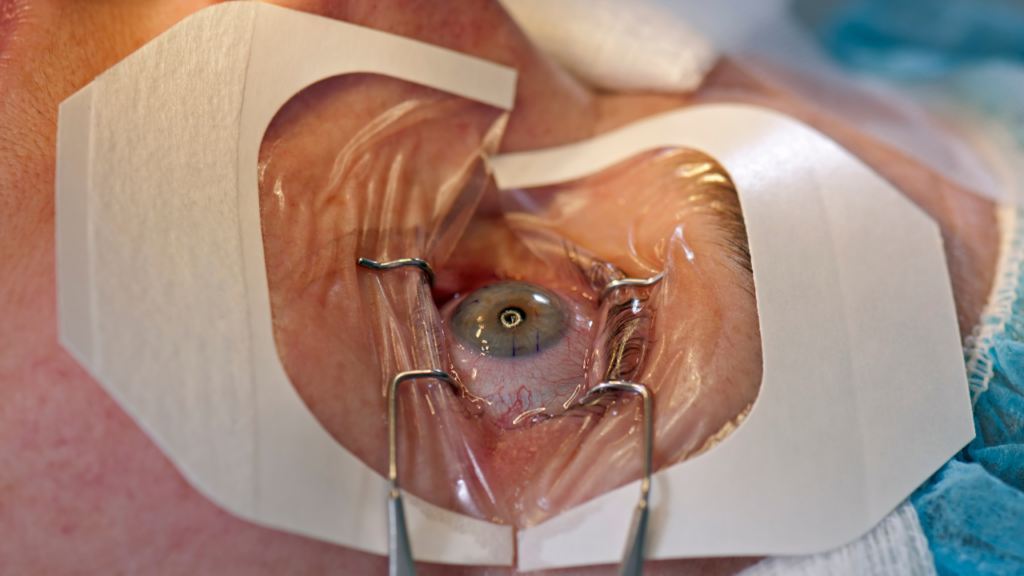
Vitrectomy is a surgical procedure that involves removing the vitreous gel, a gel-like substance that fills the eye, and replacing it with a clear solution. This allows the surgeon to access and repair the detached retina more easily.

Vitrectomy may be performed as a standalone procedure or in combination with other techniques, such as laser or cryotherapy, to ensure the best possible outcome. By removing the vitreous gel, the surgeon gains a clear view of the retina, allowing for precise repair and reattachment.

After the vitrectomy, the clear solution is injected back into the eye to restore its normal shape and function. This procedure has proven to be highly effective in treating retinal detachment, particularly in cases where the detachment is severe or complex.

It is important to note that the choice of treatment depends on various factors, including the severity and location of the detachment, as well as the overall health of the patient’s eye. A thorough examination and consultation with an ophthalmologist is crucial in determining the most appropriate treatment plan.

Overall, with the advancements in medical technology, retinal detachment can be effectively treated, allowing patients to regain their vision and prevent further complications. Early detection and prompt treatment play a vital role in achieving successful outcomes and preserving visual function.

Post-Treatment Care and Recovery

After retinal detachment surgery, it is essential to follow your doctor’s instructions for a successful recovery. Here’s what you can expect:

What to Expect After Surgery

Following retinal detachment surgery, you may experience some discomfort, redness, or blurred vision. It is normal to have a gradual improvement in vision over several days or weeks. Your surgeon will provide specific guidelines regarding activities, medications, and follow-up appointments.

Tips for a Smooth Recovery

During the recovery period, it is crucial to:

  • Take prescribed medications as directed
  • Avoid strenuous activities or heavy lifting
  • Protect your eyes from bright lights or irritants
  • Attend all scheduled follow-up appointments

Your doctor will monitor your progress and address any concerns or complications that may arise.

Preventing Retinal Detachment

While not all cases of retinal detachment can be prevented, there are steps you can take to reduce your risk:

Regular Eye Examinations

Regular comprehensive eye examinations can help detect any early signs of retinal tears or other retinal conditions. Early detection and prompt treatment can greatly improve the outcome.

Healthy Lifestyle Choices

Maintaining a healthy lifestyle can support overall eye health. This includes eating a balanced diet rich in fruits and vegetables, exercising regularly, maintaining a healthy weight, managing chronic conditions such as diabetes, and avoiding smoking.

Understanding and Managing Risk Factors

If you have certain risk factors, such as a family history of retinal detachment or a previous eye injury or surgery, it is important to discuss these with your ophthalmologist. They can provide guidance on proactive measures to minimize your risk of retinal detachment.

By understanding the causes, symptoms, treatment options, and preventive measures for retinal detachment, you can take proactive steps to preserve your vision. Remember, early detection and timely intervention are key to achieving the best possible outcomes. If you experience any warning signs or have concerns about your eye health, consult with an ophthalmologist for proper evaluation and management.

cataract surgery

Retinal Eye Health: Understanding Conditions and Available Treatments

The health of our eyes is crucial for maintaining a good quality of life. Among the many components that contribute to our visual system, the retina plays a vital role. Understanding the importance of retinal health is key to identifying and addressing various conditions that may affect this delicate tissue.

Understanding the Importance of Retinal Health

The retina is a thin layer of tissue located at the back of the eye. It is responsible for collecting visual information and sending it to the brain for processing. This crucial role makes the retina essential for clear and sharp vision.

Keeping the retina healthy is essential for maintaining good eyesight. Regular eye exams and a healthy lifestyle can help protect the retina and prevent retinal diseases from developing. Early detection and treatment are vital for managing retinal conditions effectively.

When it comes to retinal health, there are several factors to consider. One important aspect is proper nutrition. Consuming a diet rich in antioxidants, vitamins, and minerals can support retinal health. Foods like leafy greens, fish, nuts, and citrus fruits are known to be beneficial for the eyes.

Another crucial factor is protecting the eyes from harmful ultraviolet (UV) radiation. Wearing sunglasses with UV protection and avoiding excessive exposure to sunlight can help prevent retinal damage caused by UV rays.

The Role of the Retina in Vision

The retina contains specialized cells called photoreceptors, which sense light and send signals to the brain. These photoreceptors, known as rods and cones, convert light into electrical impulses that the brain can interpret as visual images.

Rods are responsible for vision in low-light conditions, allowing us to see in dimly lit environments. Cones, on the other hand, enable us to see colors and fine details in bright light. The complex network of retinal cells ensures that visual information is processed accurately before being transmitted to the brain.

It’s fascinating to think about how the retina works in conjunction with the brain to create our visual experience. The retina acts as a highly sophisticated camera, capturing light and transforming it into electrical signals that the brain can interpret. This intricate process happens in a fraction of a second, allowing us to perceive the world around us with clarity and depth.

Common Retinal Disorders and Their Symptoms

Various retinal disorders can impact vision and overall eye health. Understanding the symptoms associated with these conditions is crucial for early detection and timely treatment.

Age-related macular Degeneration (AMD) is a progressive retinal disease that affects the central part of the retina known as the macula. Symptoms may include blurred or distorted vision, difficulty recognizing faces or reading small print, and dark or empty areas in the central field of vision. You can also read about Emerging Issues with Children Myopia Condition: Sydney Eye Clinic by visiting https://ighfamilyeyeclinic.com/emerging-issues-with-children-myopia-condition-sydney-eye-clinic/

Diabetic Retinopathy is a complication of diabetes that damages the blood vessels in the retina. Symptoms may include blurred or fluctuating vision, dark spots or floaters, impaired color vision, and vision loss in severe cases.

Retinal Detachment occurs when the retina peels away from the back of the eye. Common symptoms include sudden onset of blurred vision, flashes of light or floating spots, and a shadow or curtain-like effect over the visual field.

It’s important to note that while these are common symptoms associated with retinal disorders, each individual may experience a unique combination of symptoms. Regular eye exams and consultation with an eye care professional are essential for accurate diagnosis and appropriate treatment.

Delving into Specific Retinal Conditions

The human eye is a complex organ that allows us to perceive the world around us. The retina, located at the back of the eye, plays a crucial role in our ability to see clearly. However, there are several retinal conditions that can impact our vision and quality of life.

Age-Related Macular Degeneration

Age-Related Macular Degeneration (AMD) is one of the leading causes of vision loss in older adults. It affects the macula, the part of the retina responsible for sharp central vision. The macula is crucial for activities such as reading, driving, and recognizing faces.

AMD is classified into two types: dry AMD and wet AMD. Dry AMD is characterized by the gradual breakdown of light-sensitive cells in the macula, leading to a gradual decline in central vision. This type of AMD progresses slowly and may cause blurred or distorted vision. On the other hand, wet AMD is caused by the growth of abnormal blood vessels beneath the macula, which can leak blood and fluids, causing rapid and severe vision loss.

It is important to note that AMD is more common in individuals over the age of 50, and certain risk factors such as smoking, obesity, and a family history of the condition can increase the likelihood of developing AMD. Regular eye exams and early detection are crucial in managing this condition.

Diabetic Retinopathy

Diabetic Retinopathy is a diabetes-related complication that affects the blood vessels in the retina. Elevated blood sugar levels can damage the small blood vessels, causing them to leak fluid or bleed, leading to vision problems. It is estimated that approximately one-third of individuals with diabetes have some form of diabetic retinopathy.

Diabetic Retinopathy is classified into two stages: non-proliferative diabetic retinopathy (NPDR) and proliferative diabetic retinopathy (PDR). NPDR is the early stage characterized by microaneurysms, small bleeding points, and swelling of the retina. In this stage, vision may not be significantly affected. However, as the disease progresses to PDR, new abnormal blood vessels grow on the surface of the retina, which can cause severe vision loss if left untreated.

Proper management of diabetes, including regular monitoring of blood sugar levels and maintaining a healthy lifestyle, can help reduce the risk of developing diabetic retinopathy. Early detection through regular eye exams is crucial in preventing vision loss associated with this condition.

Retinal Detachment

Retinal Detachment occurs when the retina separates from the underlying tissue layer. This condition is often a result of a tear or hole in the retina, allowing fluid to accumulate between the retina and the tissue layer beneath it. If left untreated, retinal detachment can lead to permanent vision loss.

There are several risk factors for retinal detachment, including advanced age, a history of eye trauma, nearsightedness, and previous eye surgeries. Symptoms of retinal detachment may include the sudden onset of floaters, flashes of light, and a curtain-like shadow over the field of vision.

Retinal Detachment is a medical emergency that requires immediate attention to prevent permanent vision loss. Prompt surgical intervention, such as laser treatment or vitrectomy, is often necessary to repair the detachment and reattach the retina to its original position. The success of the treatment depends on the extent and location of the detachment.

In conclusion, understanding specific retinal conditions such as Age-Related Macular Degeneration, Diabetic Retinopathy, and Retinal Detachment is crucial in maintaining good eye health. Regular eye exams, early detection, and proper management of underlying conditions are essential in preserving vision and quality of life.

Modern Diagnostic Techniques for Retinal Diseases

The field of ophthalmology has seen significant advancements in diagnostic techniques for retinal diseases. These techniques play a crucial role in early detection, accurate diagnosis, and effective management of various conditions affecting the retina. In this article, we will explore three modern diagnostic techniques: Optical Coherence Tomography (OCT), Fluorescein Angiography, and Indocyanine Green Angiography. You can also read more about Eye care by clicking here.

Optical Coherence Tomography (OCT)

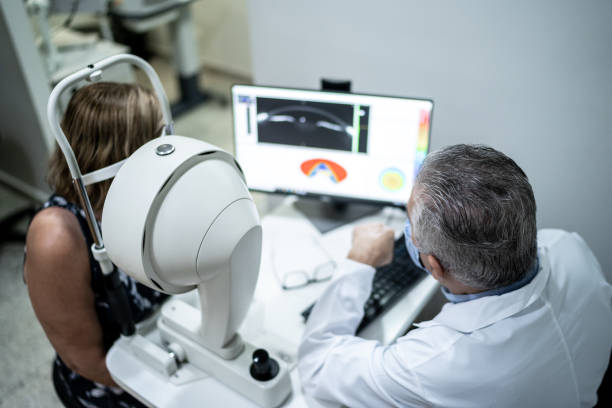
Optical Coherence Tomography (OCT) has revolutionized the way ophthalmologists visualize and analyze the retina. This non-invasive imaging technique utilizes light waves to capture high-resolution cross-sectional images of the retina. By measuring the thickness and structure of different retinal layers, OCT helps identify any abnormalities or signs of disease.

OCT is widely used in diagnosing and monitoring conditions such as Age-Related Macular Degeneration (AMD), diabetic retinopathy, and retinal edema. Its ability to capture detailed images of the retina aids in the early detection and effective management of retinal diseases.

With OCT, ophthalmologists can not only visualize the retina but also assess the integrity of the retinal layers, detect fluid accumulation, and monitor the response to treatment. This valuable information allows healthcare professionals to tailor treatment plans to each patient’s specific needs, improving outcomes and quality of life.

Fluorescein Angiography

Fluorescein Angiography is another diagnostic technique commonly used in the evaluation of retinal diseases. This procedure involves injecting a special dye, called fluorescein, into a vein in the arm. The dye then flows through the blood vessels in the retina, allowing the ophthalmologist to capture images that highlight any abnormalities or leaks.

This diagnostic test is particularly helpful in identifying and mapping abnormal blood vessels, such as those found in wet AMD or diabetic retinopathy. By pinpointing the location and extent of the leakage, healthcare professionals can better plan treatment options tailored to the patient’s specific needs.

During fluorescein angiography, a series of images are taken at different time intervals to observe the dye’s circulation through the retinal blood vessels. This dynamic evaluation provides valuable information about the blood flow patterns, areas of ischemia (lack of blood supply), and the presence of abnormal vessels. Such insights aid in the accurate diagnosis and management of retinal diseases.

Indocyanine Green Angiography

Indocyanine Green Angiography (ICG) is a diagnostic test similar to fluorescein angiography but with some key differences. Instead of using fluorescein dye, ICG employs indocyanine green dye, which provides enhanced visualization of the deep retinal blood vessels.

ICG is particularly useful in detecting and monitoring conditions such as central serous chorioretinopathy, choroidal neovascularization, and polypoidal choroidal vasculopathy. The information obtained from ICG aids in accurate diagnosis and treatment planning to improve patient outcomes.

Similar to fluorescein angiography, ICG involves injecting the dye into a vein in the arm. The dye then travels through the bloodstream and highlights the deep retinal blood vessels. By analyzing the ICG images, ophthalmologists can identify abnormal blood vessel growth, areas of reduced blood flow, and other important characteristics of retinal diseases.

ICG is particularly valuable in cases where the pathology involves the deeper layers of the retina, providing insights that may not be visible with other imaging techniques alone. This additional information helps healthcare professionals make informed decisions regarding treatment options and follow-up care.

In conclusion, modern diagnostic techniques such as Optical Coherence Tomography, Fluorescein Angiography, and Indocyanine Green Angiography have greatly enhanced our ability to diagnose and manage retinal diseases. These techniques provide detailed information about the structure, function, and blood flow of the retina, enabling healthcare professionals to deliver personalized and effective care to patients with retinal conditions.

Treatment Options for Retinal Diseases

Laser Surgery and Photodynamic Therapy

Laser Surgery and Photodynamic Therapy are commonly used treatments for retinal diseases such as wet AMD, diabetic retinopathy, and retinal vein occlusion. Laser surgery uses a focused beam of light to seal leaking blood vessels, while photodynamic therapy uses a combination of medication and laser treatment to destroy abnormal blood vessels.

These treatments aim to stabilize or slow down the progression of retinal diseases, preventing further damage to the retina and preserving vision. They are often performed on an outpatient basis and require regular follow-up appointments to monitor treatment effectiveness.

Vitrectomy and Other Surgical Procedures

Vitrectomy is a surgical procedure that involves removing the vitreous gel from the back of the eye to access and repair retinal issues. It is commonly used for conditions like retinal detachment, macular hole, and vitreous hemorrhage.

Other surgical procedures, such as scleral buckle surgery or pneumatic retinopexy, may be used to correct retinal detachment. These procedures involve repositioning the retina and sealing tears or holes to prevent further detachment.

Medications for Retinal Diseases

In recent years, medications have played an increasingly important role in the treatment of retinal diseases. Anti-VEGF agents, for example, are injected into the eye to block the action of vascular endothelial growth factor (VEGF), which promotes the growth of abnormal blood vessels.

Medications such as corticosteroids may also be used to reduce inflammation and manage macular edema. By targeting the underlying causes of retinal diseases, these medications can help improve visual outcomes and quality of life for affected individuals.

In conclusion, understanding retinal health is essential for maintaining good vision and preventing vision loss. Recognizing the symptoms of common retinal disorders and seeking timely diagnosis and treatment can significantly impact outcomes. Modern diagnostic techniques and a range of treatment options, from laser surgery and medications to advanced surgical procedures, offer hope for patients with retinal diseases. Protecting and preserving the health of our retinas should be a priority for everyone seeking to maintain optimal eye health throughout their lives.

Can LASIK Laser Eye Surgery Be Done More Than Once?

Can LASIK Laser Eye Surgery Be Done More Than Once?

LASIK eye surgery, often known as laser vision correction or laser eye treatment, treats refractive abnormalities such as blurry vision, nearsightedness, and short-sightedness. Laser therapy improves your vision by reshaping your cornea with an excimer laser. The treatment aims to rectify light bend and provide a focused image on the retina. Most laser vision correction patients have positive outcomes that continue for more than ten years. 

Your vision problems may return a few months or years following treatment. If the situation worsens, the procedure may have to be repeated. It’s crucial to remember that each patient has different eyesight requirements. You must see your doctor and discuss your case before scheduling a second LASIK eye surgery. 

If you wear contact lenses, you must stop wearing them and only wear glasses for at least a few weeks before your examination and operation.

Can I undergo LASIK surgery multiple times?

LASIK laser eye surgery procedures can be performed more than once, depending on various circumstances. After the initial treatment, you should have better vision without needing glasses or contact lenses. You can go on vacation without fear of misplacing your glasses.

However, in some people, this is only temporary. Your eyesight may abruptly alter after a few years. Depending on the results of many tests, your ophthalmologist may prescribe a second LASIK treatment. Click here to read more about Emerging Issues with Children’s Myopia Condition: Sydney Eye Clinic.

So, your vision may alter at any point after the treatment and require LASIK augmentation for improved seeing. Like with the first treatment, the goal is to restore your eyesight and eliminate the need for contacts or glasses.

As a result, while LASIK is seen as a permanent procedure for vision correction since it permanently improves your prescription, it may not provide a long-term solution to your vision problems. If you have vision problems several years after having LASIK, you can do it again. More importantly, seek advice from the LASIK surgeon who performed the first surgery on your eye.

A thorough discussion with your doctor is essential. Your ophthalmologist will counsel you on the numerous treatment options available to you and the criteria for a second procedure.

Why You Might Need Lasik More Than Once

The majority of LASIK treatments are permanent. However, vision may deteriorate due to the normal aging process, necessitating a second LASIK procedure. According to surveys, more than 10% of LASIK patients may require follow-up surgery after ten years. Some individuals opt for either a second refractive surgery or an augmentation operation. In addition, people with various underlying eye disorders may require a second LASIK procedure as they age.

Most patients’ LASIK eye surgery lasts a lifetime since the treatment includes reshaping the cornea and repairing flaws that cause blurred vision. However, refractive defects may reoccur due to old age. It is crucial to understand that LASIK will not solve all your vision problems, and you may require additional upgrades to maintain excellent vision.

Many persons have age-related visual changes as early as the age of 40. Interestingly, you may only discover the changes late in your 50s. It’s also likely that you have glaucoma or cataracts and will require a second LASIK procedure to fix refractive faults.

Because the corneal flap does not become completely secure for 4 weeks, there are some limitations on your activities during that time.

Note:

Most surgeons will only undertake a second LASIK procedure if the first one lasts fewer than five years. LASIK can be performed more than once to treat any age-related eye changes. On the other hand, having more than three LASIK treatments is hazardous to your health. Because the surgeon eliminates corneal tissue during the LASIK process, you may end up with a thin cornea.

How long does Lasik’s eye surgery last?

Many people are concerned that LASIK effects would only be temporary. The truth is that LASIK can last a lifetime, but you may require improvements because your eyes change with age. LASIK surgery only corrects visual abnormalities; it does not prevent the aging of your eyes.

Your eyesight prescription can be permanently corrected by LASIK. You may only encounter myopia or hyperopia as you age. Your eyes may change after LASIK, but they will never be the same as before the treatment. It is important to understand that the treatment does not prevent presbyopia.

Presbyopia, or common long-sightedness in older age, can affect practically anyone. Presbyopia happens when your eye’s lens can’t refract light appropriately on the retina. It is a condition caused by aging.

Most people in their forties would need glasses to read well. The same is true for LASIK patients who require augmentation to help them see well. The time since the first treatment, age and underlying eye diseases are all factors that influence LASIK.

Why do I require a second or third LASIK surgery?

If done correctly, a second LASIK operation wouldn’t be necessary. However, rare circumstances may necessitate a second laser procedure.

One of the most common causes is when your surgeon does not remove enough corneal tissue. To repair your refractive problem, the surgeon must remove enough corneal tissue to reshape the cornea, letting light rays to focus clearly on the retina. Furthermore, the tissue may sometimes not repair adequately, stopping you from having good eyesight. In extreme circumstances, you may need to have a second LASIK treatment to help with healing. 

The following factors would determine the viability of the second LASIK surgery:

  • Eye structural status
  • Age
  • Current health
  • Medical history

How often can you get Lasik in your life?

You can have LASIK surgery several times. The patient’s overall health and corneal thickness determine the precise number. You can get as many LASIK operations as you want throughout your lifetime. However, because their eyes only experience a few alterations following surgery, most individuals may never require additional treatment.

Conclusion

According to research, around 95% of LASIK patients had improved eyesight after the initial LASIK treatment. Before going for a second LASIK treatment, you must understand your expectations. LASIK is usually considered safe and effective. However, as with any medical operation, it might harm your eyes if not done properly.

Sydney Eye Clinic

Emerging Issues with Children Myopia Condition: Sydney Eye Clinic

Myopia, often known as short-sightedness, is on track to overtake cataracts as the primary cause of irreversible blindness throughout the globe. It is anticipated that by the year 2050, around fifty percent of the world’s population would be afflicted, with approximately ten percent of those affected having the severe type.

Sydney Eye Clinic reported this trend is a significant problem since early onset of myopia in children can lead to more severe cases of the condition later in life.

Myopia in its most severe form, often known as extreme myopia, has been linked to a number of eye diseases that might endanger a person’s vision. It is anticipated that more than fifty percent of people living in Australia will have myopic vision by the year 2050. 

The situation will be the same in Australia. It is strongly recommended that parents educate themselves about myopia and the preventative measures they may take to lessen the likelihood that their kid will acquire the disease.

We have taken due diligence to publish articles such as this to help you live a healthy life. Our Personal Eye doctors are professionals who create medium for eye health through laser vision correction, various laser treatment and surgeries in New South Wales and the rest of Australia. 

Eye patients have been choosing eye drops, intravitreal injections, and surgeries such as pterygium surgery, LASIK surgery and other latest technology for eye conditions. we hope that you will find this post about myopia in children written by our refractive surgeons, resourceful.

Sydney Eye Clinic

What exactly is myopia in children?

Myopia is a form of refractive error that happens when the shape of the eyeball causes light rays to focus in front of the retina, rather than directly on it. This results in blurry vision.

The end effect is vision at a distance that is fuzzy and out of focus. Myopic eyes tend to be noticeably longer and more elongated than those of those who do not have the condition. 

Myopia is referred to as “child myopia” when it occurs in a person who is under the age of 18, i.e., while they are still in school. Because of this, the condition is also referred to as “school myopia” at times. The diagnosis of myopia in children most frequently occurs during childhood.

What are the causes of myopia in children?

Every Children has a chance of having myopia at some point throughout their lives. Children who live in metropolitan surroundings and children who have first-degree relatives who have myopia have a significantly increased risk of having the condition themselves.

It is also greater in several ethnic groups, particularly in people of East Asian descent. Children who have parents who suffer from short-sightedness have a significantly increased chance of developing the condition themselves. 

Your child’s chance of developing myopia can also be increased by variables related to their lifestyle, such as: insufficient time spent outside; lack of exposure to natural sunshine; extended amounts of time spent concentrating on near-vision activities, such as reading or using electronic devices.

What are the dangers over the long term?

Myopia, especially in its lesser variants, normally does not pose a substantial risk to your child’s long-term health. On the other hand, the problem is frequently progressive, which means that it gets worse over time as the eye continues to develop and mature. This encompasses the time during puberty, which is characterised by fast physical growth.

High myopia is the most severe type of the eye condition. A high degree of myopia is linked to an increased likelihood of acquiring major eye problems later in life, such as retinal detachment, glaucoma, cataracts, and myopic macular degeneration. 

Sydney Eye Clinic

Can myopia in children be treated or cured?

Myopia in children is permanent; however, there are therapies available that can restore a child’s ability to see in the distance, such as wearing glasses or contact lenses. On the other hand, these do not prevent myopia from progressing further. Because children’s eyes continue to develop into early adulthood, corrective eye surgery for children, such as laser eye surgery, is not typically suggested.

Alternately, corneal-reshaping contact lenses and specialised multifocal lenses (glasses or contact lenses) have been proven to halt the advancement of the disorder. Both of these types of lenses are available (orthokeratology or Ortho-K). 

The corneal surface can be temporarily reshaped with the use of Ortho-K lenses, which are worn at night and removed in the morning to prevent the need for corrective eyewear during the day.

Several significant clinical trials have demonstrated that administering a modest dosage of atropine (0.01%), at the rate of one drop per day, is helpful in preventing or slowing the progression of myopia. After the age of 18, your child’s eyes will normally stabilise, at which point laser eye surgery may be explored for vision correction.

Even though vision correction surgery could eliminate the need for corrective glasses or contact lenses, there is still a lifetime risk of developing sight-threatening problems.

Can myopia in children be avoided by any means?

You may lessen the likelihood that your kid will acquire myopia by reducing the amount of time they spend engaging in activities that require close vision, such as reading or using electronic devices. Additionally, children should spend a significant amount of time outside, preferably twice every day.

Increased blood levels of vitamin D, which is essential for supporting healthy bone and muscular health, is one of the additional health benefits that this has to offer in addition to its other positive effects. 

Early identification offers the best chance for children who have already developed myopia to slow down its growth and reduce the risk of major consequences later in life. This is especially true for children who are diagnosed with myopia at a younger age.

An optometrist should do a vision exam on a child before they start school, and then on a consistent basis at regular intervals of every two years after that. If it is determined that the myopia is getting worse, it is critical to have a conversation about the many methods in which further progression might be avoided.

What about Children With both short-sightedness and Farsightedness?

The condition known as astigmatism causes vision to be distorted because the cornea of the eye is not curved normally. Astigmatism is another prevalent kind of refractive error, and it is more likely to occur in children whose primary refractive defect is myopia. Both short-sightedness and farsightedness can be corrected using eyewear such as glasses or contact lenses.

Lastly

If you are having any question or inquiry about how to have a correct vision, cataract surgery, Laser eye surgery, laser vision correction, diabetic retinopathy, franzco medical retina, minimally invasive glaucoma surgery, normally clear lens, vision loss, retinal conditions, short sightedness, – you should get in touch with us via our Personal Eyes website to book your free assessment today.

Consider the factors outlined in this blog post, weigh the pros and cons, and most importantly, consult with a Sydney cataract surgeon at Personal Eyes before making the final decision.

More to read: What to Know About LASIK Consultation and Some FAQs on Its Surgery

LASIK

What to Know About LASIK Consultation and Some FAQs on Its Surgery

The first step in having LASIK eye surgery done is to have a consultation for the procedure. The vast majority of laser doctors, including the highly trained staff at Personal eyes, provide free LASIK surgery consultations. 

As a result, during a consultation, you are not only able to learn more about the eye surgery lasik treatment but also determine whether or not you are a candidate for it. You should plan on spending somewhere between two and three hours on the consultation in total. 

During this extensive consultation, we will determine whether or not you are a good candidate for laser eye surgery (LASIK).

In return, the LASIK eye surgeon who performs the procedure in Roslyn will obtain crucial information on the overall health of your eyes. These particulars are essential in order to carry out your individualised surgical procedure. So, what should you anticipate when you go in for a LASIK surgery consultation?

1. An Examination of Your Past Medical Records

Reviewing your medical history is the first thing that will be done during a LASIK eye surgery consultation. In this regard, your LASIK eye surgeon will consult with you and ask you certain questions. It is important that you discuss the medical history of both you and your family in an open and honest manner.

It is essential due to the fact that LASIK eye surgery cannot be performed on patients suffering from certain disorders. In the event that you suffer from any of these issues, your LASIK eye surgeon may suggest other procedures instead. These corrective measures can take the form of contact lenses, spectacles, or even other refractive procedures.

In addition, you are required to inform your LASIK eye surgeon of any medications you are now taking or have previously used. Please include this information in your disclosure if you intend to take any other medications. 

There are a few medications that should be avoided if you want your eye surgery on LASIK or healing process to go smoothly. Your LASIK eye surgeon will provide you with appropriate guidance in this regard.

2. A Thorough Evaluation of the Eyes

The subsequent step will consist of a thorough examination of the eyes. It will be very much like any other eye exam that you have ever had before. Your eyesight will be evaluated by your LASIK eye surgeon to establish whether or not it is stable enough to provide correct results. 

Your vision as well as your overall eye health will be evaluated by him/her. The following are some examples of tests that might be performed by your surgeon:

  • A typical examination of one’s eyesight
  • determining the thickness of the cornea
  • Refraction in order to ascertain the prescription and the required amount of correction
  • Eye pressure
  • Pupil dilation
  • Ultrasound pachymetry for the purpose of determining the thickness of the cornea
  • Examining the crease of your eyelid
  • Digital imaging
  • Examination of tear films

3. Creating a Map of Your Cornea

Following this step, your LASIK eye surgeon will carry out a corneal topography, which will involve the complete mapping of the surface of your eye. Your surgeon will get the vital data he or she needs to programme the laser while the procedure is being performed thanks to this. 

This step is highly significant since it helps customise the laser that will be used to reshape your cornea later. Your candidature for eye surgery with LASIK will also be determined by the precise measurements of your cornea’s thickness and shape.

4. Discussion Regarding the LASIK Procedure

Your surgeon will describe the entire eye surgery on LASIK to you when the comprehensive exam has been completed. Your surgeon will go over the necessary steps for you to take in order to get ready for the operation, such as telling you when to stop taking medications or removing your contact lenses.

In addition, you will talk about the day of your LASIK eye surgery, including what to bring with you and what to anticipate from the procedure. Your aftercare is going to be discussed as well. In addition to these topics, we will also talk about the costs and hazards associated with laser eye treatment.

5. Making Inquiries 

After enough clarification, you can ask questions or express your concerns. This is your opportunity to ask questions and get answers concerning the eye surgery with LASIK or any of the topics that were covered earlier. You could ask queries like:

  • Are your findings guaranteed to be successful?
  • Is it necessary to schedule a second operation?
  • During the course of rehabilitation, should I avoid doing anything in particular?

FAQs on LASIK Surgery

When will I be able to go back to work and get back to my normal routine?

In most cases, patients are able to go back to work and continue their regular activities the day after surgery. During the first week after laser eye treatment, you should avoid putting your eyes in situations where they could be exposed to water, such as swimming pools, hot tubs, the ocean, or even severe perspiration. After surgery, patients should stay away from dusty settings and avoid using eye makeup for the first 48 hours.

Is it safe to get LASIK?

The Food and Drug Administration (FDA) acknowledges that eye surgery with LASIK is both effective and risk-free. The operation is carried out by utilising a calming beam of laser light that is quite exact. There are a great number of vital preventative measures in place to lower the probability of errors occuring during LASIK surgery. As is the case with any surgical operation, there is always the possibility of undesirable complications and hazards.

Does the process cause any discomfort?

The majority of patients report minimal to no pain throughout their LASIK eye surgery. During the process, you will sleep well knowing that you are in good hands. Eye drops containing an anaesthetic are usually all that is necessary to alleviate any discomfort. Some individuals have reported experiencing a minor burning sensation, but it typically disappears by the next morning.

What kinds of outcomes should I anticipate?

The purpose of surgery is to lessen your reliance on corrective lenses such as glasses or contacts. Many individuals report having achieved 20/20 eyesight after LASIK eye surgery. The majority of people are able to pass a driving test without the use of corrective lenses.

How does LASIK work?

In the surgical treatment known as laser assisted in-situ keratomileusis (LASIK), a cool beam of laser light is used to reshape the cornea. LASIK is an acronym for laser assisted in-situ keratomileusis. Depending on the condition that needs to be treated, very small pieces of corneal tissue may be removed in order to either smooth the cornea, flatten the cornea, or steepen the cornea. In the United States, laser eye treatment or surgery, often known as LASIK, has emerged as one of the most sought-after forms of elective surgical treatment in recent years.

LASIK is a surgery that requires only a small amount of tissue to be removed and has a high success rate. If you are considering having LASIK surgery done on your eyes, you should consult with an experienced LASIK eye surgeon beforehand. Contact us at Personal Eyes to take advantage of our no-cost, no-obligation Virtual LASIK consultation.

Lastly

If you are having any question or inquiry about how to have a correct vision, Laser eye surgery, Corneal tissue problems, Lasik surgery, laser beam in healing process, excimer laser usage, refractive eye surgery, laser treatment, laser suite, contact sports, the surgical procedure for refractive surgery or Lasik laser eye surgery – you should get in touch with us via our Personal Eyes website to book your free assessment today.