
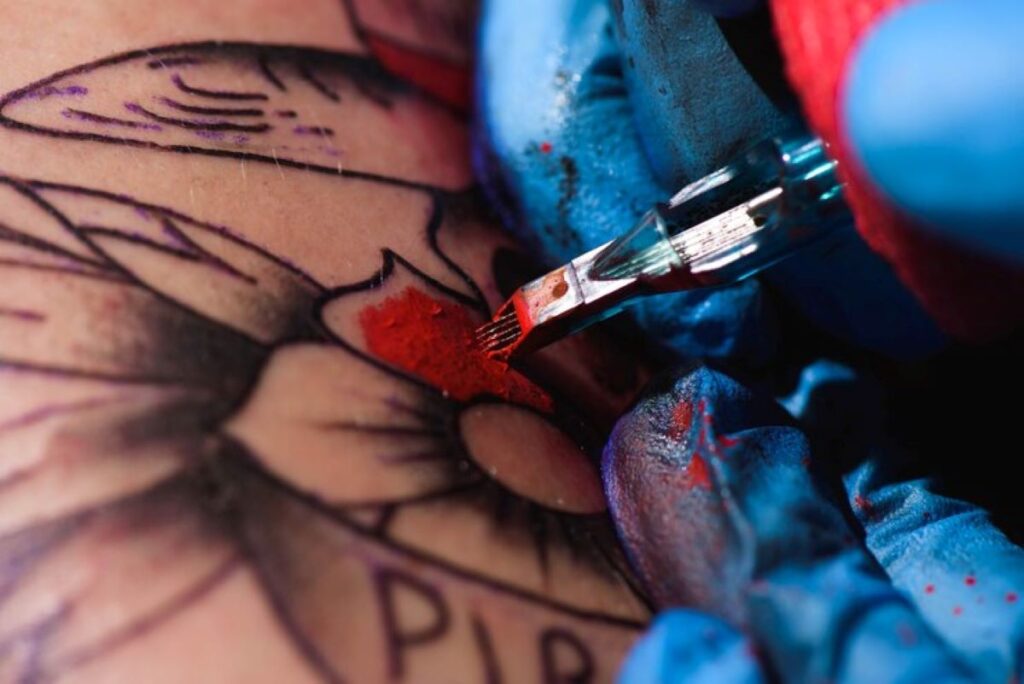
Japanese tattoo art, known as Irezumi, carries centuries of cultural heritage through bold imagery and deep symbolism. These intricate designs often feature natural motifs such as koi fish, cherry blossoms, dragons, and crashing waves—each telling stories of strength, transformation, perseverance, and beauty rooted in Japanese folklore and spirituality.
Across Australian cities—particularly Sydney and the Gold Coast—demand for Irezumi has grown significantly, as collectors increasingly seek work from the best Japanese Tattoo Artist Australia has to offer. Enthusiasts value not only the visual complexity of Japanese tattoos but also the rich narratives and cultural meaning embedded in every piece. This rising interest has drawn highly skilled artists who dedicate years to studying and perfecting the tradition.
When searching for the best Japanese Tattoo Artist Australia, understanding the difference between traditional and modern techniques is essential. Traditional Tebori hand-poking creates distinctive texture and depth, while modern machine techniques deliver precision and efficiency. The most respected artists successfully combine both approaches—honouring time-tested traditions while adapting to contemporary styles and client preferences.
What Are the Characteristics of Traditional Japanese Tattooing?
Traditional Japanese tattooing, known as Irezumi, emerged during Japan’s Edo period around the 10th century, initially serving as decorative body art before evolving into elaborate full-body compositions. These tattoos transformed from simple markings into complex narratives that covered entire backs, arms, and legs with interconnected imagery.
Symbolism in Irezumi
The visual language of Irezumi draws heavily from natural motifs that carry deep symbolic meaning:
- Koi fish represent perseverance and strength as they swim upstream against powerful currents.
- Cherry blossoms symbolize the fleeting nature of life and beauty, reminding wearers of mortality’s impermanence.
- Waves and water elements signify life’s constant flow and the ability to adapt to changing circumstances.
- Dragons embody wisdom and protection, while phoenixes represent rebirth and triumph over adversity.
The Tebori Technique
The Tebori technique distinguishes traditional Japanese tattooing from modern machine methods through its hand-poked application. Artists use a bamboo or metal rod fitted with a bundle of needles, manually inserting ink beneath the skin with rhythmic precision. This ancient method creates distinct textures and color gradations impossible to replicate with electric machines. The process demands exceptional skill as artists control depth, angle, and pressure entirely through hand movements, producing softer color transitions and unique shading effects.
Cultural Symbolism and Social Status
Irezumi carried complex social meanings throughout Japanese history. During the Edo period, tattoos marked firefighters and laborers as symbols of bravery and dedication to their crafts. The art form later became associated with the yakuza, Japan’s organized crime syndicates, leading to widespread stigmatization. Despite this controversial history, traditional Japanese tattoos maintained their artistic integrity, with designs following strict compositional rules regarding placement, flow, and thematic elements that create harmonious full-body suits.
How Have Modern Techniques Influenced Japanese Tattooing in Australia?
Modern Japanese tattoo techniques have transformed how Australian artists approach Irezumi, creating a distinctive fusion that honors tradition while embracing innovation. Artists across Sydney, Melbourne, and the Gold Coast now seamlessly blend centuries-old imagery with contemporary tattoo styles Australia demands, producing work that appeals to both purists and modern enthusiasts.
Machine-Based Tattooing
Machine-based tattooing has become the primary method for most Australian practitioners, offering precision and efficiency that complements traditional aesthetics. Electric tattoo machines allow artists to achieve the bold outlines and solid color packing characteristic of Japanese work in less time than Tebori methods. Some studios offer hybrid approaches where artists use machines for outlining and base colors, then switch to hand-poked techniques for specific shading effects that require the subtle gradations only Tebori can provide.
Fusion Tattoo Art
Fusion tattoo art has emerged as a signature Australian contribution to Japanese tattooing. Artists incorporate:
- Neo-traditional elements with exaggerated proportions and contemporary color palettes
- Geometric patterns integrated with classic motifs like dragons and phoenixes
- Watercolor techniques that soften the traditional bold aesthetic
- Blackwork styles combined with Japanese composition principles
Color Innovation
Color innovation represents another significant evolution. Australian artists experiment with expanded palettes beyond traditional reds, blacks, and yellows. Pastel tones, neon accents, and gradient blending techniques create pieces that maintain Japanese structural integrity while appearing distinctly modern. These innovations attract clients seeking tattoos that reflect personal style rather than strict adherence to historical conventions.
Cultural Exchange Programs
Cultural exchange programs between Japanese and Australian tattoo communities have accelerated this evolution. Guest artist residencies, international conventions, and digital platforms enable real-time sharing of techniques and ideas. Australian artists who apprentice in Japan return with authentic knowledge that they adapt to local preferences, creating a unique interpretation of Irezumi that respects its roots while pushing artistic boundaries.
Who Are the Best Japanese Tattoo Artists in Australia?
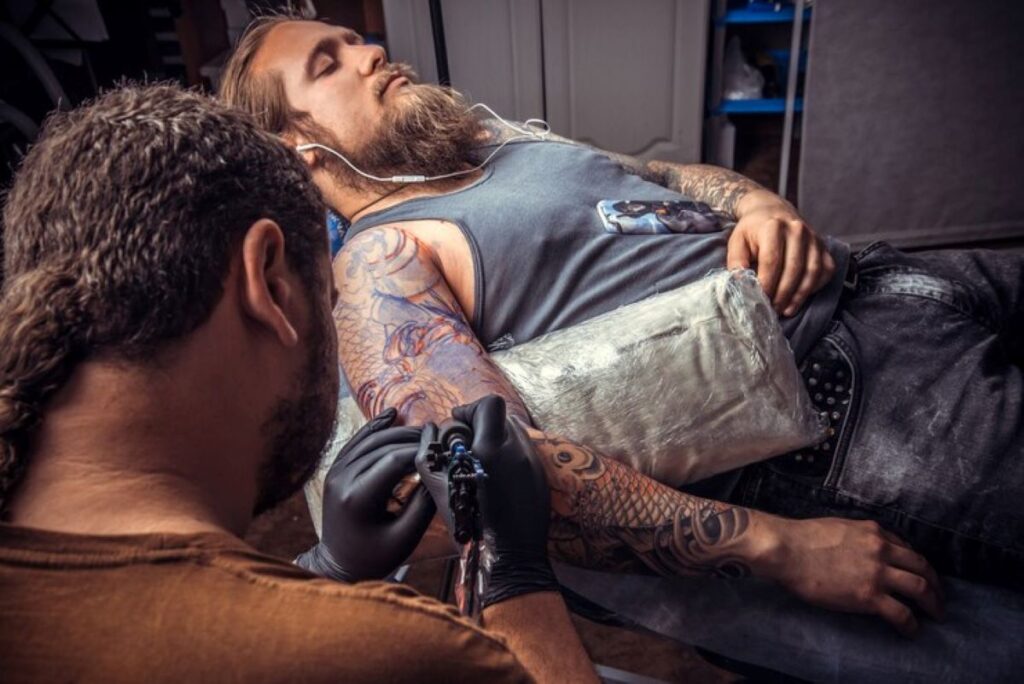
Australia’s best Japanese tattoo artists have built reputations through years of dedicated practice and deep respect for Irezumi traditions. These specialists demonstrate exceptional skill in both hand-poked Tebori techniques and contemporary machine methods, creating artwork that honors centuries-old conventions while appealing to modern sensibilities.
Sydney’s Masters of Japanese Tattooing
Sydney tattoo artists like those at renowned studios in Newtown and Surry Hills have established themselves as masters of Japanese-style work. Many have trained directly under Japanese mentors or completed extensive apprenticeships studying classical motifs and composition rules. Their portfolios showcase intricate full-back pieces featuring dragons, phoenixes, and wave patterns executed with precise line work and sophisticated color gradients.
Gold Coast’s Talented Practitioners
Gold Coast tattoo studios similarly house talented practitioners who specialize in Japanese imagery. These artists often balance traditional subject matter—koi fish swimming through lotus flowers, samurai warriors, protective foo dogs—with updated color palettes and shading techniques that photograph well and age gracefully.
Mentorship Culture Among Australian Japanese Tattoo Specialists
The mentorship culture remains strong among Australia’s Japanese tattoo specialists. Experienced artists regularly take on apprentices, teaching proper needle techniques, composition principles, and the cultural meanings behind specific symbols. Workshops focusing on Japanese tattooing fundamentals help preserve craft quality across generations of artists.
Transparency Through Social Media
Many leading practitioners maintain active social media presence, sharing detailed process videos and finished pieces that demonstrate their understanding of traditional vs modern techniques. This transparency allows potential clients to assess skill levels and stylistic approaches before booking consultations.
What Should Clients Consider When Choosing a Japanese Tattoo Artist?
Selecting the right artist begins with examining portfolios that showcase authentic Japanese work. Look for consistency in line quality, color saturation, and proper execution of traditional motifs like dragons, phoenixes, or peonies. Artists who specialize in Irezumi should demonstrate understanding of composition rules, such as how designs flow with body contours and maintain visual balance across large-scale pieces.
Verifying credentials protects your health and investment. Reputable tattoo studios in Australia must hold current licenses from local health departments. Check that artists maintain certifications in bloodborne pathogen training and infection control. Studios should use autoclave sterilization for equipment, disposable needles, and follow strict cross-contamination protocols. Request to see hygiene certificates displayed prominently or ask staff directly about their safety standards.
Client testimonials reveal an artist’s professionalism beyond technical skill. Read reviews on multiple platforms to assess:
- Communication quality during consultations
- Punctuality and respect for scheduled appointments
- Aftercare support and follow-up availability
- How artists handle design modifications or concerns
- Studio cleanliness and overall atmosphere
Pay attention to feedback specifically about Japanese tattoo projects, noting whether clients felt their cultural preferences were respected. Artists experienced in choosing a tattoo artist Australia processes understand the commitment required for traditional Japanese sleeves or back pieces, offering realistic timelines and pricing transparency from initial consultation through completion.
Why Is Consultation Important Before Getting a Japanese Tattoo?
A thorough tattoo consultation process ensures your design aligns with both traditional symbolism and personal meaning. During the design discussion tattoos session, artists help clients understand the cultural significance behind motifs—whether a koi fish represents perseverance, cherry blossoms symbolize life’s transience, or dragons embody strength and wisdom. This dialogue prevents cultural misappropriation and creates artwork that resonates authentically with the wearer’s intentions.
Placement and sizing decisions directly impact how Japanese tattoo elements flow with your body’s natural contours. Artists assess muscle structure, movement patterns, and existing tattoos to recommend optimal positioning. A dragon wrapping around the arm requires different spatial planning than a back piece featuring waves and peonies. Scale considerations affect detail visibility—intricate Tebori shading demands sufficient canvas space to showcase the technique’s artistry.
The consultation establishes realistic expectations about:
- Session duration for complex multi-piece designs
- Pain tolerance for different body areas
- Healing timelines based on tattoo size and technique
- Color saturation maintenance over years
Artists provide detailed aftercare instructions during this meeting, explaining moisturizing schedules, sun protection requirements, and touch-up timelines. Proper aftercare preserves the vibrant colors and crisp linework characteristic of Japanese tattooing, protecting your investment in this permanent art form. This foundational conversation builds trust between artist and client, setting the stage for collaborative creation. You may like to visit https://www.healthdirect.gov.au/body-piercing-and-tattoos to get more about body piercing and tattoos.
How Does Sydney’s Tattoo Community Support Traditional and Modern Japanese Tattoos?
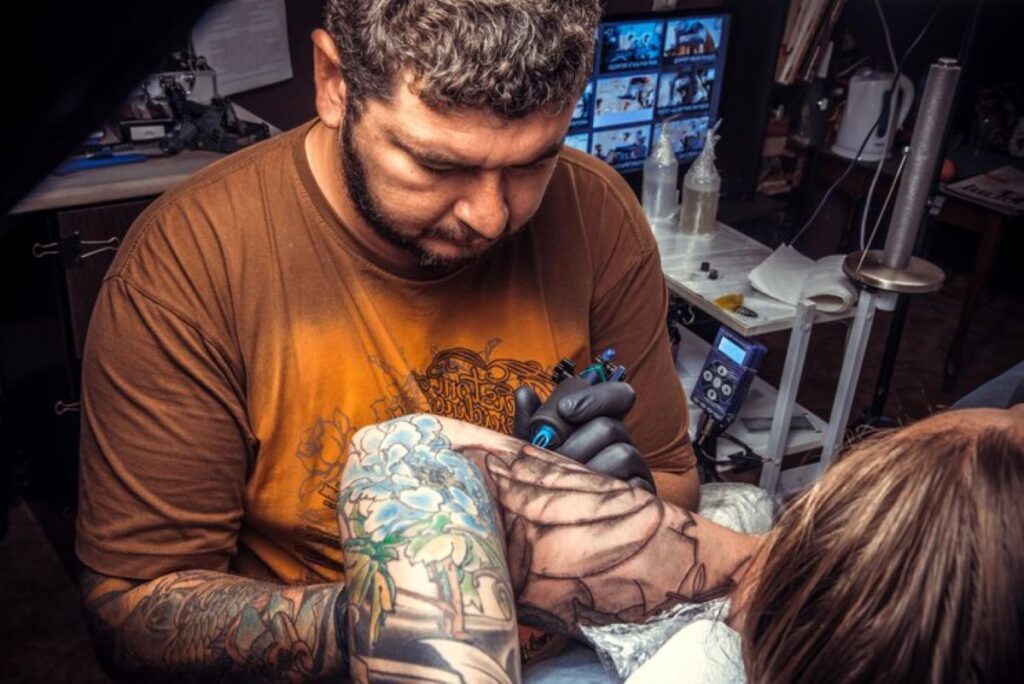
Sydney’s tattoo community creates an inclusive environment where Irezumi thrives alongside contemporary interpretations. The city’s diverse artistic landscape welcomes both purists who honor centuries-old techniques and innovators who push creative boundaries, making it a hub for those seeking the Best Japanese Tattoo Artist Australia: Understanding Traditional vs Modern Techniques.
Tattoo conventions Australia regularly showcase Japanese artistry through dedicated exhibitions and live demonstrations. These events bring together master artists, apprentices, and collectors who share knowledge about:
- Traditional Tebori hand-poked methods versus machine applications
- Proper symbolism behind koi fish, dragons, and cherry blossom motifs
- Color theory specific to Japanese aesthetic principles
- Portfolio reviews and artist-client matching sessions
The Sydney tattoo community facilitates meaningful cultural exchange tattoos through workshops led by visiting Japanese masters. Australian artists travel to Japan for intensive training, returning with refined skills that blend authentic techniques with local sensibilities. This cross-cultural dialogue produces distinctive pieces that respect historical significance while incorporating modern color palettes and composition styles.
Street festivals in suburbs like Newtown and Surry Hills feature pop-up galleries displaying Japanese tattoo photography and flash art. These grassroots initiatives educate the public about the difference between appropriation and appreciation, ensuring clients approach Japanese tattooing with proper cultural understanding and respect for its deep-rooted heritage.
Conclusion
Finding the best Japanese tattoo artist in Australia requires dedicated research into practitioners who honor cultural heritage while mastering both traditional and modern approaches. The distinction between traditional vs modern Japanese tattoos Australia extends beyond technique—it encompasses respect for Irezumi’s historical significance and the artistic vision to adapt these timeless designs for contemporary audiences.
When selecting your artist, prioritize these best practices choosing tattoo artist:
- Review extensive portfolios showcasing authentic Japanese imagery
- Verify professional credentials and studio hygiene standards
- Assess artist knowledge of cultural symbolism and motifs
- Schedule comprehensive consultations to discuss design intent
Australia’s thriving tattoo community offers exceptional talent capable of delivering breathtaking Japanese work. Whether you’re drawn to the meditative precision of Tebori hand-poking or prefer machine-based methods with traditional aesthetics, investing time in artist selection ensures your tattoo becomes a meaningful piece of wearable art. The right practitioner will guide you through design choices, placement considerations, and aftercare protocols while honoring the rich cultural legacy that makes Japanese tattooing an enduring art form.
More to Read : Best Realism Tattoo Artist Sydney: What to Look for in Hyper-Realistic Design Work